Mines and quarries are large, rugged sites with costly mobile equipment, bulk fuel, copper and parts stores, and often explosives magazines. Many run round the clock and need strong light at night, and remote ones have little cellular coverage.
Site profile
- Typical layout
- Pit, haul roads, plant, fuel bay, equipment park, stores and offices across a large area.
- Typical deployment
- Years for operating mines; weeks to months for shutdowns and projects.
- Power on site
- Site power exists but may be far from where units are needed; fuel is routine.
- Normal after-hours activity
- Many mines work round the clock; others shut down nights and weekends.
- When losses happen
- Shutdown periods, nights at stores and fuel bays, and when copper scrap accumulates.
- Seasonal pattern
- Extreme cold and long nights in the north; dust year-round.
- Who responds
- Mine security and the control room, coordinated with site safety rules.
- Rules to check
- Mine safety regulations, equipment inspections, blast exclusion zones and spill containment.
Main risks
- Fuel, copper and parts theft from stores and equipment parks
- Trespass into pits, stockpiles and highwall areas where people can be badly hurt
- Night shift safety, which depends on strong lighting
- Weak communications between pit, plant and office
Guides
- Choosing a trailerLighting often comes first at an operating mine: the Beacon H6 Hybrid puts 120,000 lumens on a 30 ft hydraulic mast and keeps them on all night, starting its generator only when the battery is low.
- Placement and coverageFollow the mine's traffic management plan: keep trailers out of haul roads, away from the edge of benches and outside blast exclusion zones, and move them before blasts if required.
- Power planningLong shifts and high-output lighting make hybrid units the norm at mines, and fuel deliveries are already routine, so diesel is easy to supply.
- Winter operationMines in northern regions face extreme cold and long nights, plus dust that settles on panels and lenses.
- Theft preventionFuel and copper are the most common losses, often involving insiders or contractors who know the site.
- Monitoring and responseMine security teams often monitor feeds from a control room that also handles safety and dispatch.
- Rent vs buyLong-life operations usually buy their light towers and security units and maintain them alongside the rest of the mobile fleet, often in the same shop and on the same run-hour schedules as other equipment.
- Permits and insuranceMines operate under strict safety regulation, and any equipment may need inspection, guarding, specific lighting levels or a pre-use check before it enters site.
Recommended models
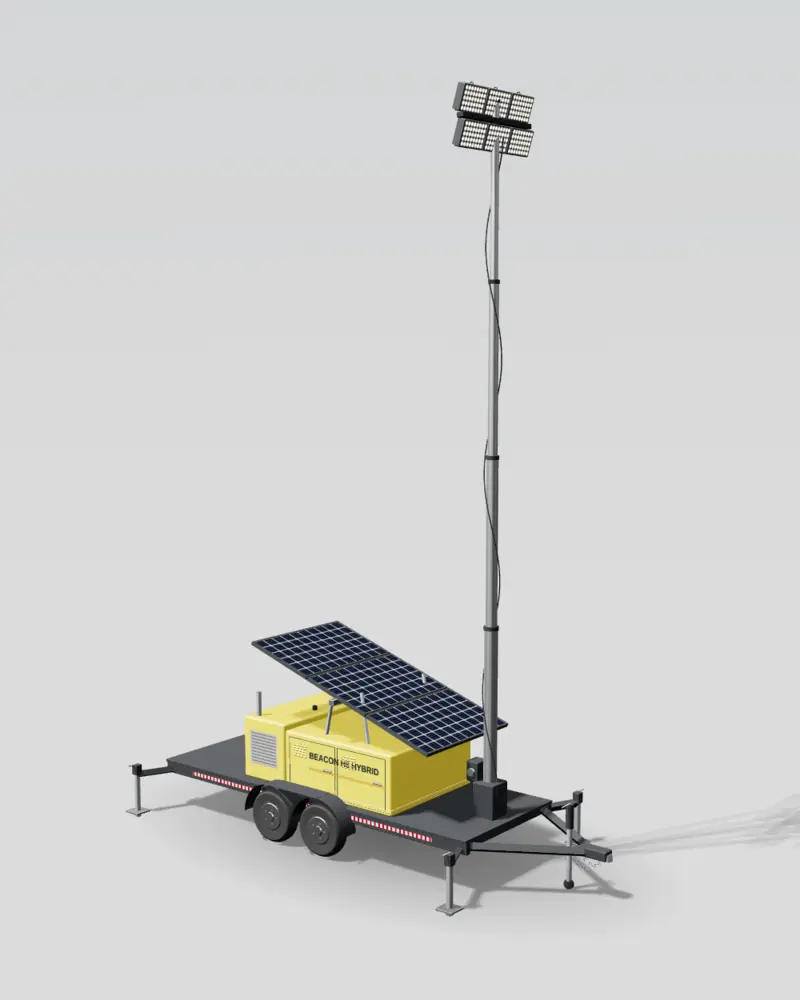 Hybrid LED light tower
Beacon H6 Hybrid
120,000 lumens on a 30 ft mast with an 8 kW auto-start generator
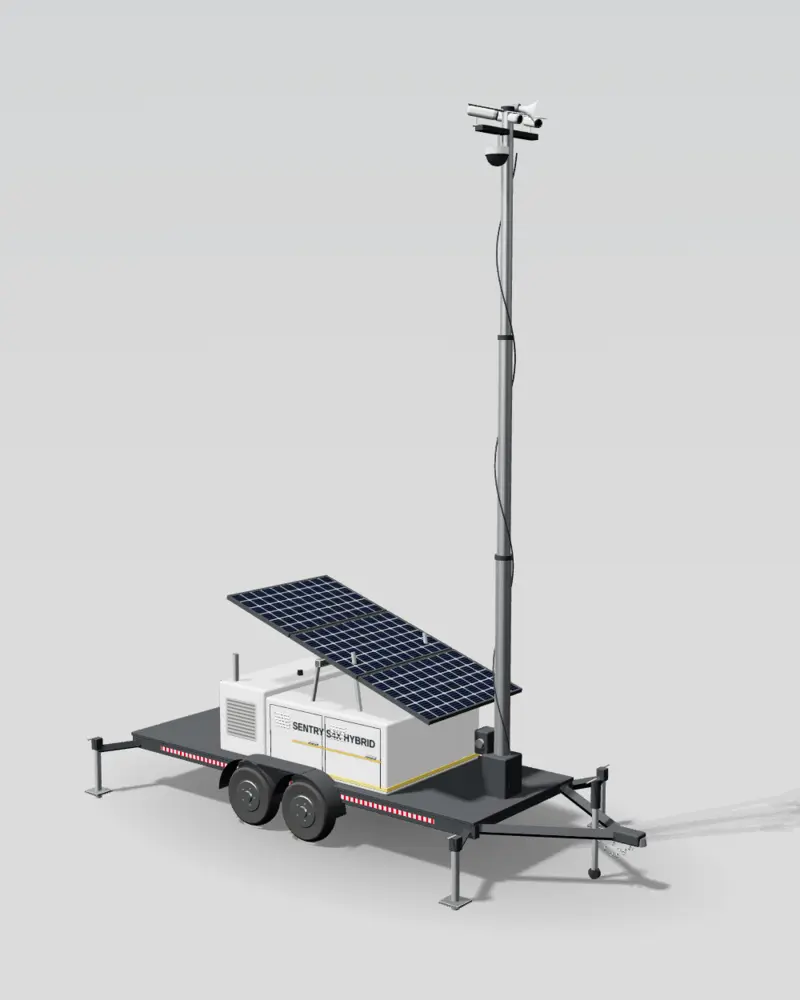 Hybrid surveillance trailer
Sentry S4X Hybrid
Full camera and talk-down package with generator backup for winters
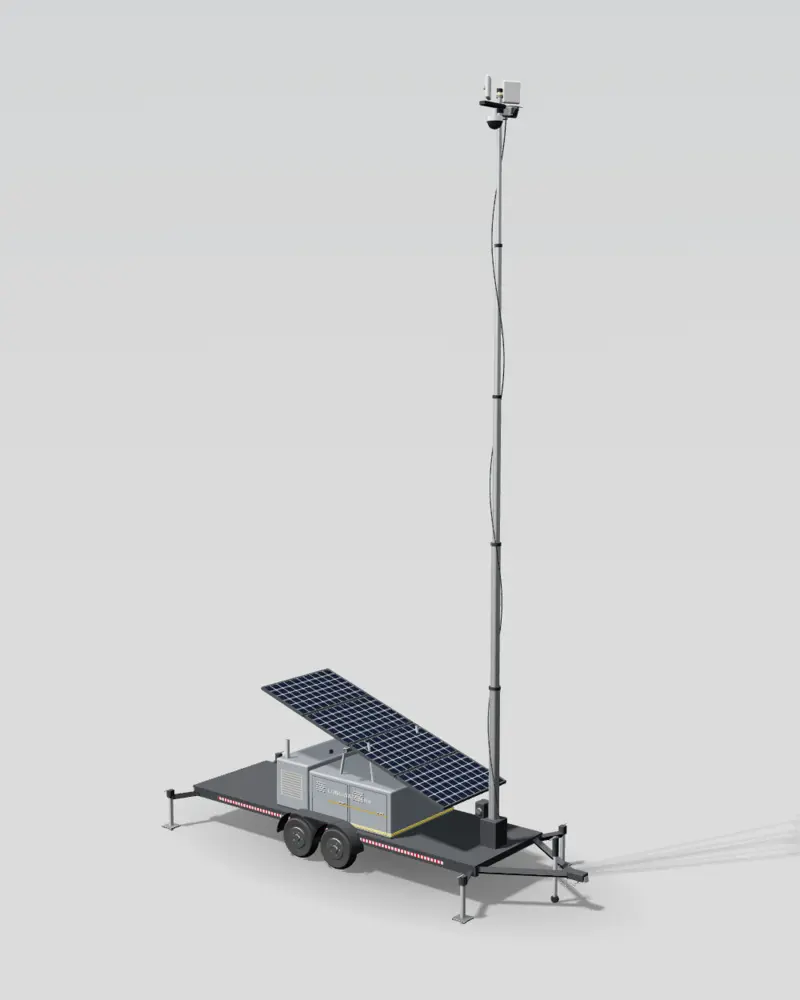 Long-range thermal trailer
Longwatch R4
Kilometre-range radar and thermal across large open sites
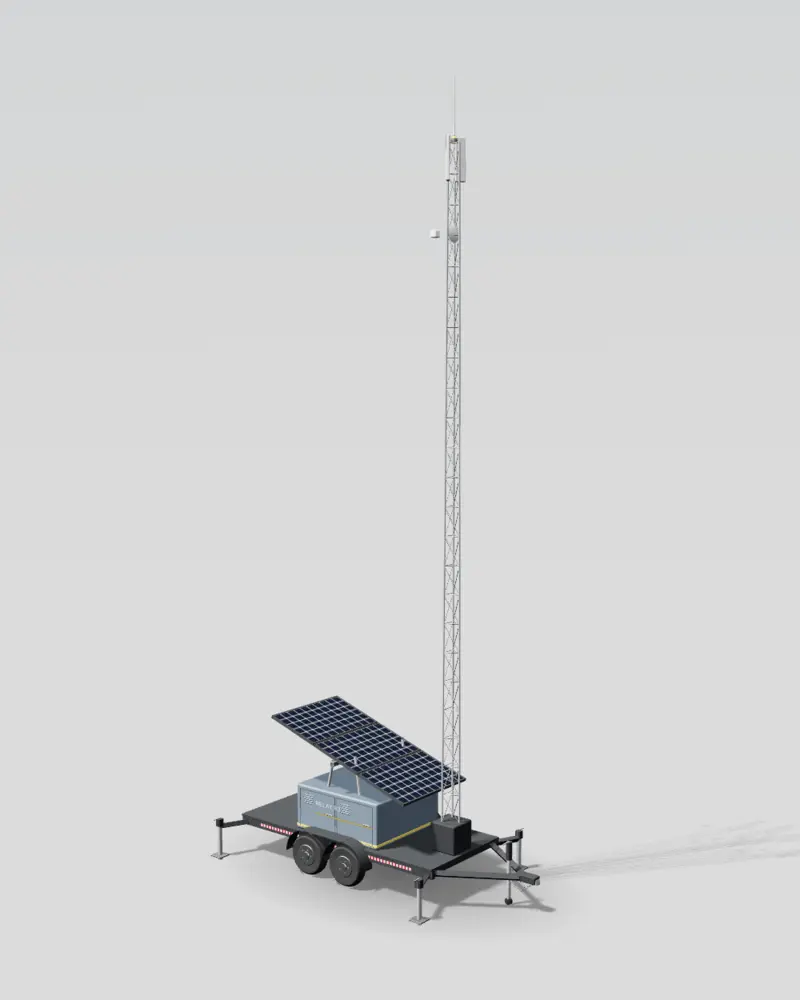 Communications trailer
Relay R3
Boosted cellular, satellite and mesh for sites without signal