Well pads, pipelines, compressor stations and service yards are spread across remote land, often hours from the nearest town. Equipment, fuel and tools are valuable, lease roads are open to anyone, and many sites are only visited every few days.
Site profile
- Typical layout
- Well pads, compressor or pump stations and yards linked by lease roads, often spread over a wide area.
- Typical deployment
- Weeks to months for drilling and completions; years for producing facilities.
- Power on site
- Rarely available for security equipment; fuel deliveries are routine.
- Normal after-hours activity
- Pumpers and operators visit on schedules; otherwise unattended.
- When losses happen
- Any time, including daylight visits by people who look like they belong.
- Seasonal pattern
- Deep cold and spring road bans in northern basins.
- Who responds
- Operator control room, company security and police, often an hour or more away.
- Rules to check
- Hazardous-area classifications, contractor safety requirements, spill containment and surface lease terms.
Main risks
- Theft of fuel, tools and portable equipment from unattended pads
- Copper and cable theft at compressor and pump stations
- Trespass on lease roads, including hunters and joyriders near pressurised equipment
- Vandalism of valves, meters and instrumentation
Guides
- Choosing a trailerTwo questions decide most oil and gas deployments: can the unit get a signal, and can it stay powered for weeks without a visit?
- Placement and coverageRespect the operator's hazardous-area drawings: keep trailers and their generators outside classified zones and well away from flare stacks, tank vents and loading points.
- Power planningRemote pads rarely have spare power that the operator will release for security equipment, so self-powered trailers are the norm.
- Winter operationNorthern basins combine deep cold, long nights and remote access.
- Theft preventionMuch theft on remote leases happens in daylight by people driving work trucks who look as if they belong there.
- Monitoring and responsePolice and company responders may be an hour or more away, so the goal is to detect early, verify quickly and give responders a clear description.
- Rent vs buyDrilling, completions and pipeline construction last weeks to months and move on, which favours renting units with delivery and moves included.
- Permits and insuranceOperators have contractor safety requirements, and trailers may need to pass an inspection or orientation before entering a site.
Recommended models
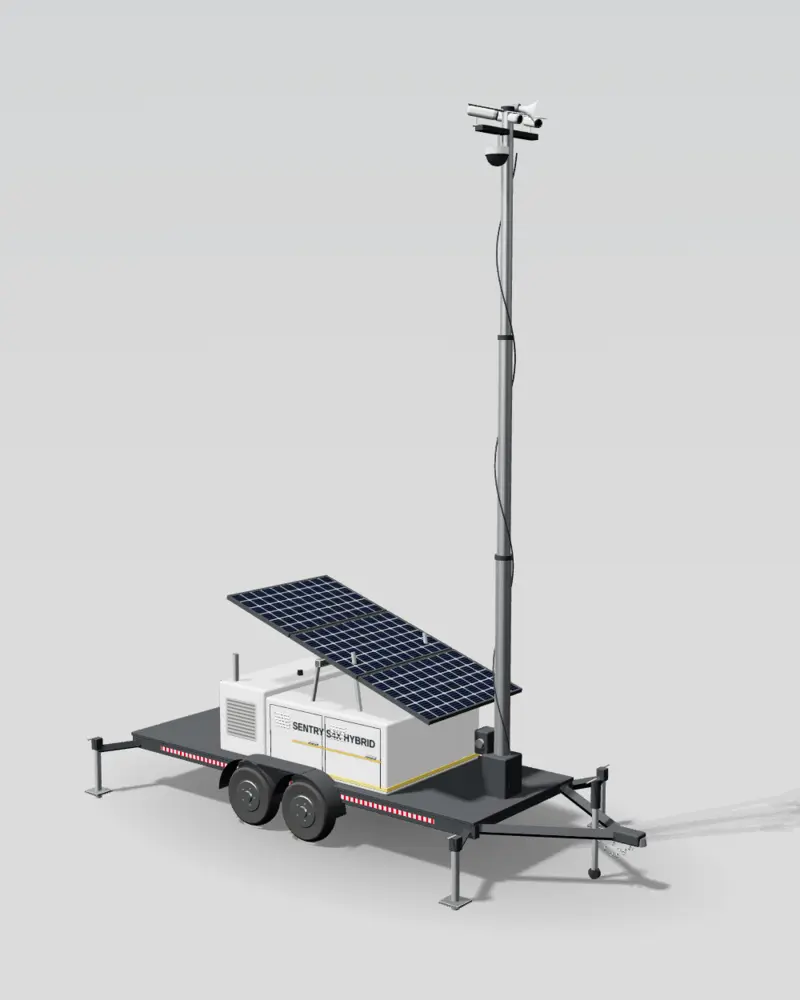 Hybrid surveillance trailer
Sentry S4X Hybrid
S4 camera package plus a 3 kW auto-start generator for long remote winters
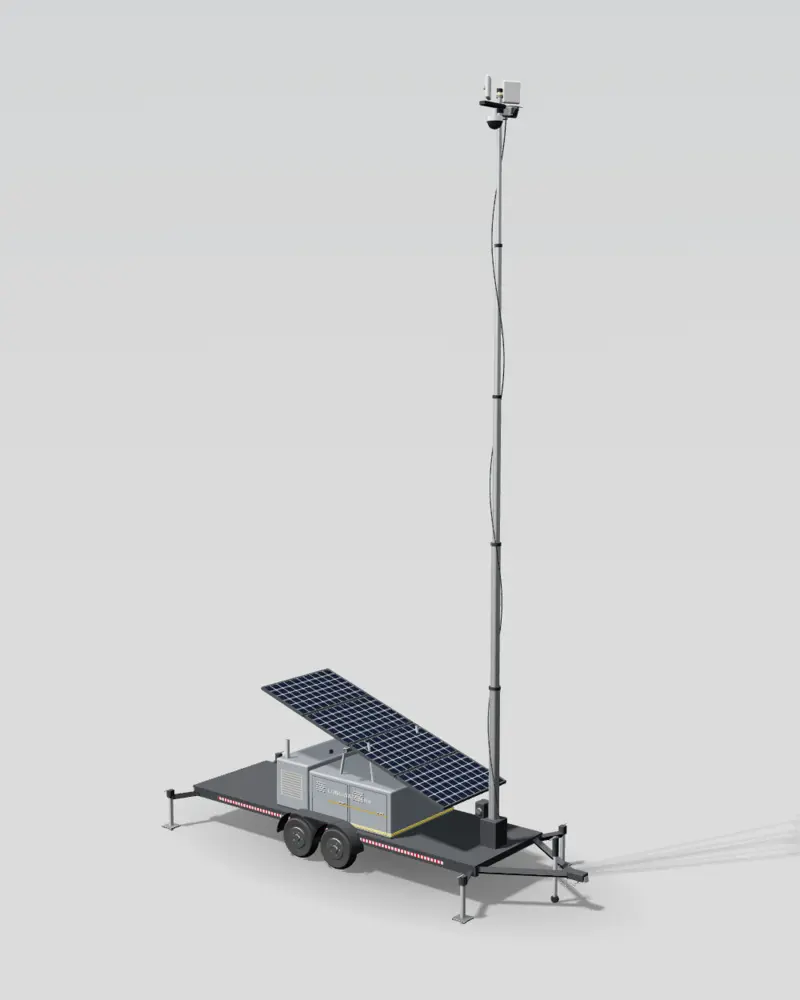 Long-range thermal trailer
Longwatch R4
Radar to 1.2 km and long-range thermal for large facilities and pipeline corridors
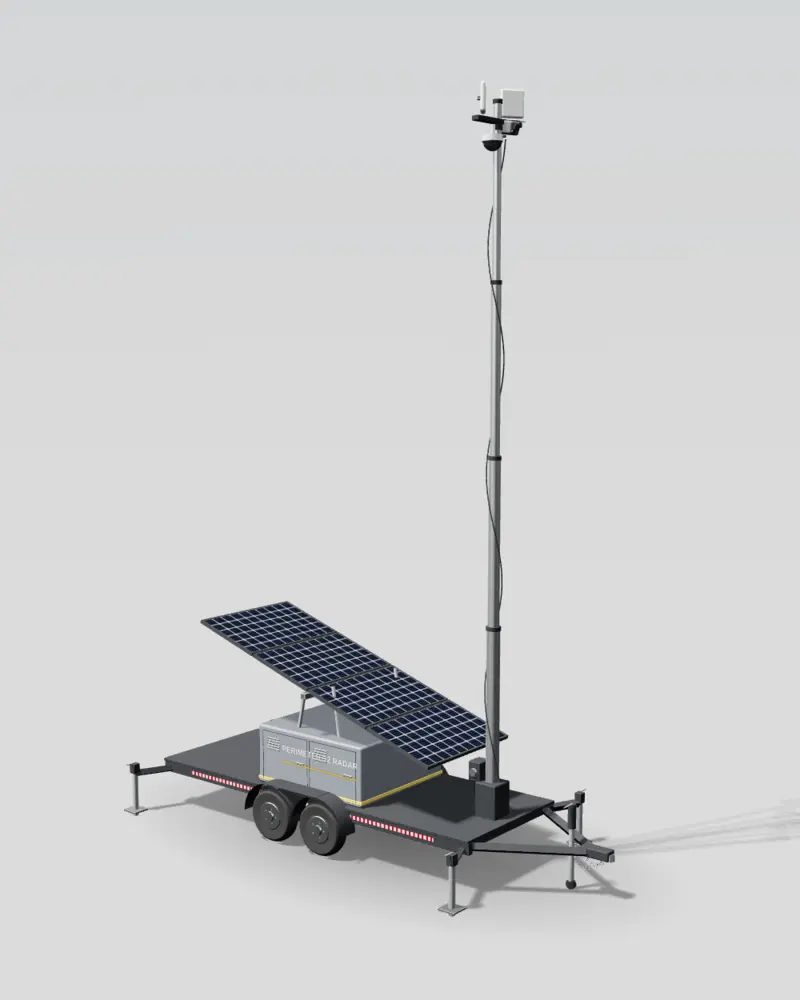 Radar and thermal trailer
Perimeter T2 Radar
Radar-cued thermal for fenced stations with few false alarms
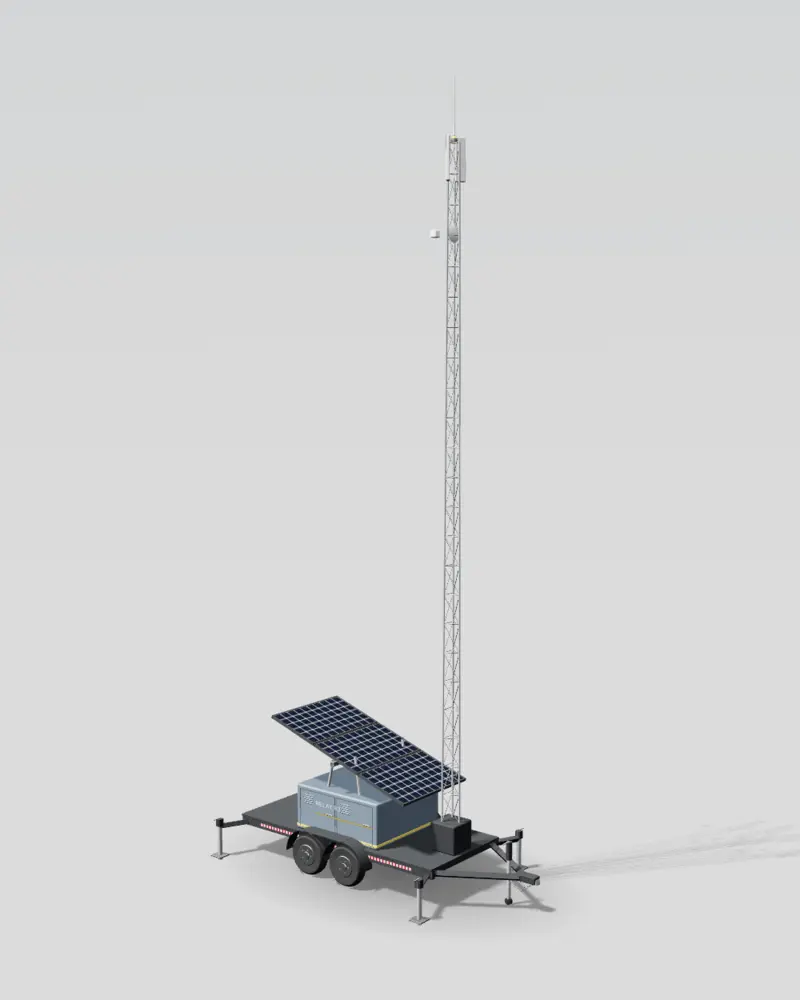 Communications trailer
Relay R3
Boosted cellular and satellite where lease sites have no usable signal