Substations, switchyards and utility depots are critical infrastructure with valuable copper grounding, transformer oil and equipment. They are often remote, unstaffed and surrounded by long fences.
Site profile
- Typical layout
- A fenced yard of energised equipment with a control building, often in rural areas and sometimes beside housing.
- Typical deployment
- Permanent coverage at high-risk stations; weeks to months for construction, upgrades and outages.
- Power on site
- Station service exists but is often not released for security equipment.
- Normal after-hours activity
- Unstaffed; occasional crew visits and switching operations.
- When losses happen
- Nights, often when copper prices are high.
- Seasonal pattern
- Storm season brings temporary deployments; winter limits access to remote stations.
- Who responds
- The utility's security operations centre, control room and police; staff never enter alone.
- Rules to check
- Internal standards for approach distances and grounding, cyber security requirements and, in some places, NERC CIP physical security.
Main risks
- Copper grounding and cable theft that can leave equipment unsafe
- Intrusion that risks electrocution and service outages
- Vandalism and ballistic damage to equipment
- Unauthorised access to control buildings
Guides
- Choosing a trailerSubstations need detection at the fence before anyone reaches energised equipment.
- Placement and coveragePlace trailers outside the energised area where possible, respecting the utility's approach distances, so service visits do not need switching or escorts.
- Power planningSubstations have power, but utilities often prefer security equipment to run independently from station service.
- Winter operationRemote substations may not be visited for weeks in winter, so autonomy and reporting matter more than usual.
- Theft preventionCopper theft at substations is dangerous as well as costly, and thieves are sometimes injured or killed.
- Monitoring and responseUtility security operations centres usually want trailer feeds inside their existing VMS.
- Rent vs buyUtilities typically buy for permanent coverage at high-risk stations and rent for storm response, construction at substations, and temporary coverage after an incident while permanent security is designed.
- Permits and insuranceUtility sites have internal standards that often cover equipment placement, grounding and approach distances; follow them for the trailer as for any other equipment.
Recommended models
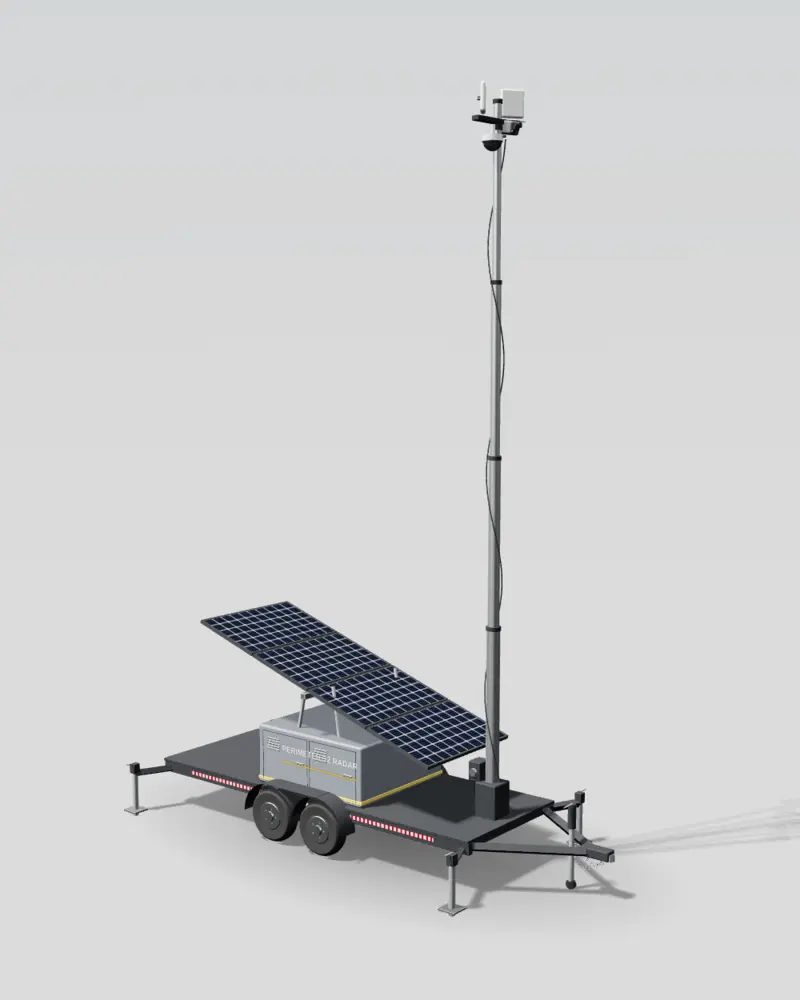 Radar and thermal trailer
Perimeter T2 Radar
Radar cues thermal and visible PTZs with very few false alarms from wildlife
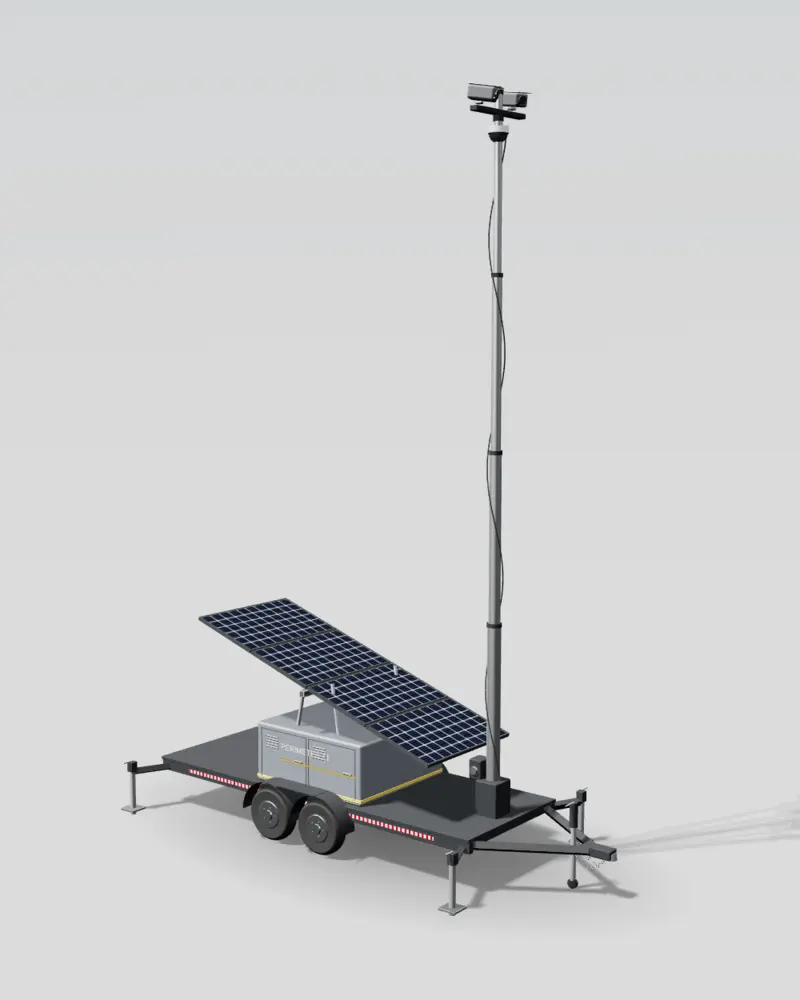 Thermal surveillance trailer
Perimeter T1
Thermal detection along fences in darkness and fog
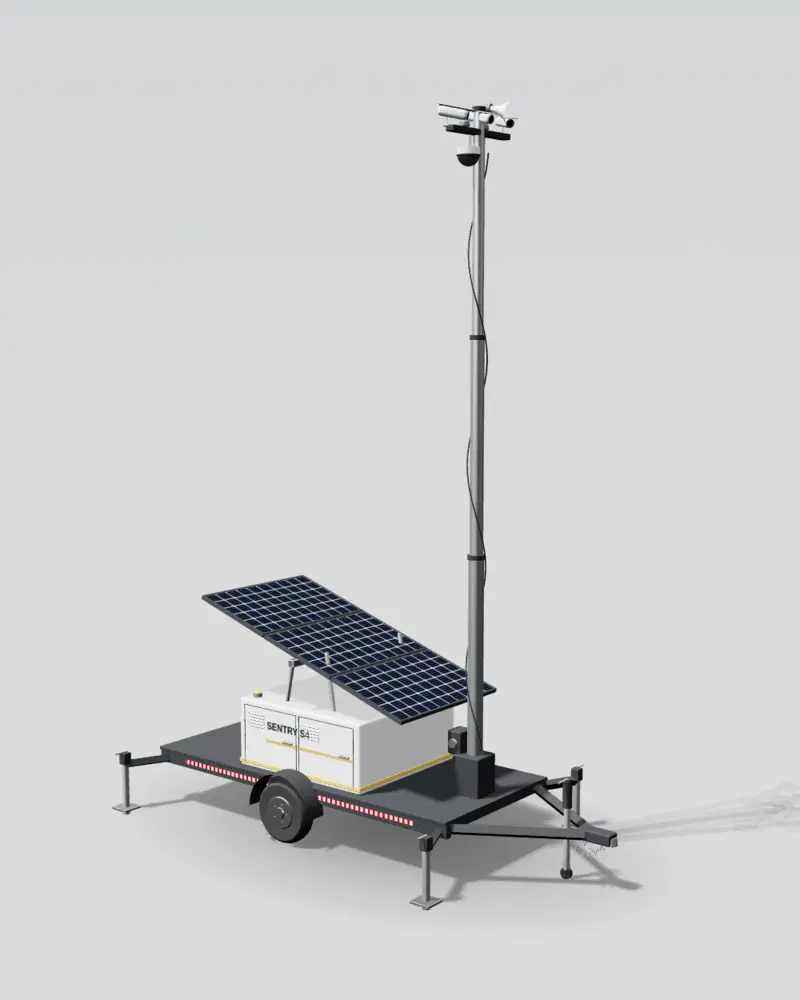 Solar surveillance trailer
Sentry S4
Full visible coverage with talk-down for depots and yards
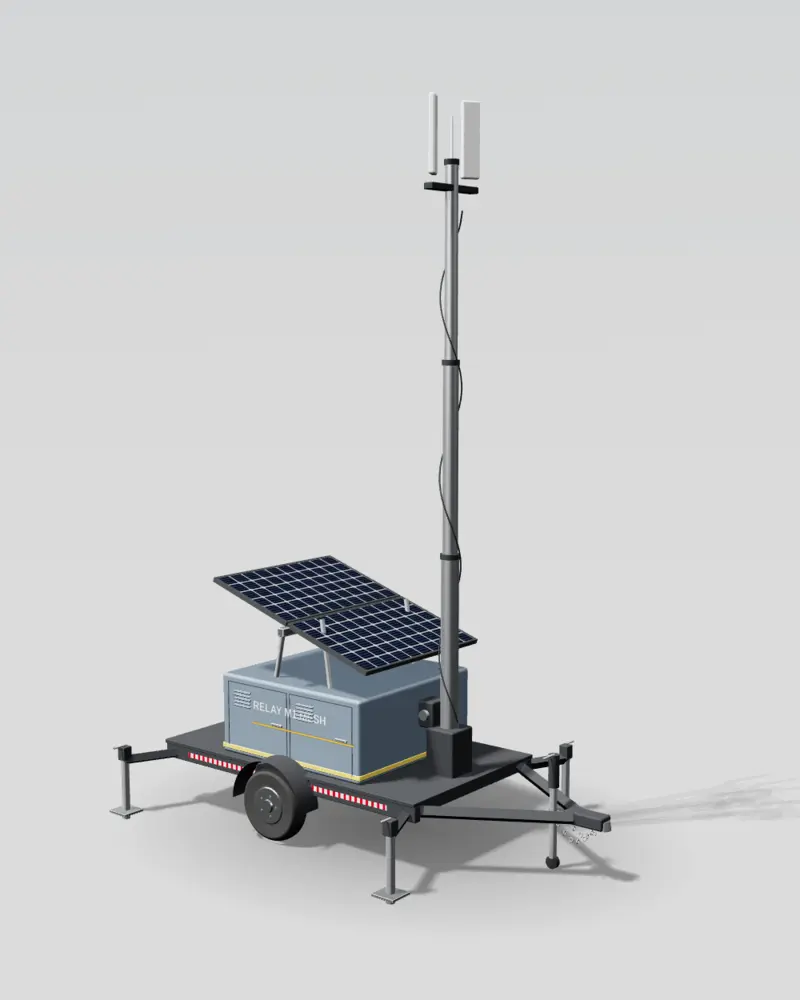 Mesh relay trailer
Relay M1 Mesh
Links several units at a large yard to one uplink